Cloverfield: A Color Font for Bold, Creative Statements
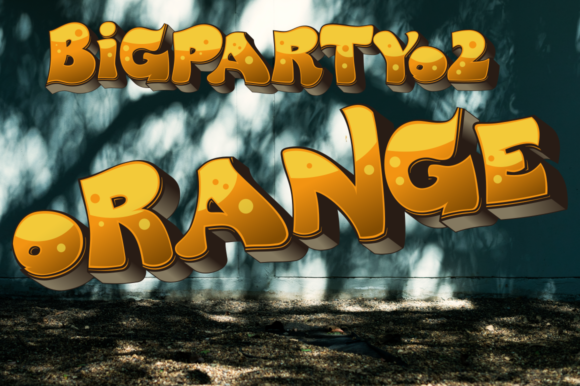
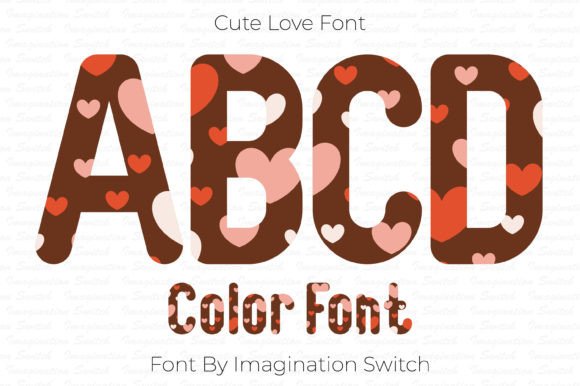
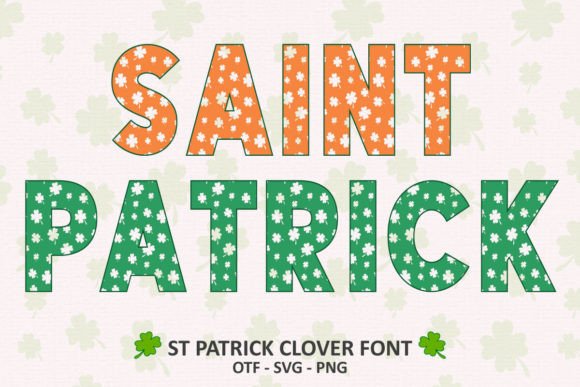
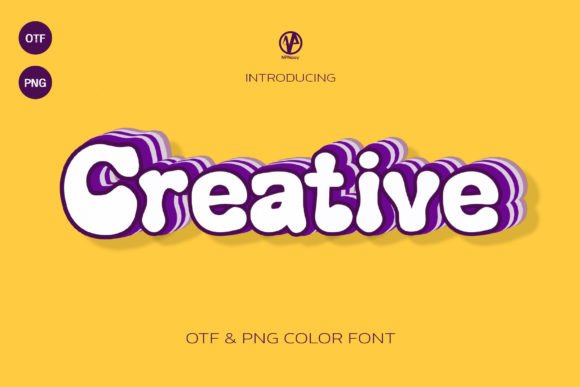
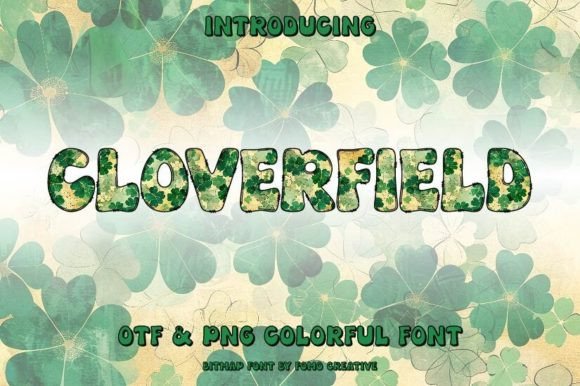
Imagine a typeface that doesn't just sit on the page but practically jumps off it. That's the energy Cloverfield brings to the table. As a premium display font, it's built for moments when you need text to be more than just words—you need it to be an event. This isn't your standard, single-color serif font or sans serif font. Cloverfield is a color font, specifically an OpenType-SVG file, which means each character is a small canvas. It can display built-in gradients, shadows, and color variations, creating a level of visual depth that traditional fonts simply can't match. The personality here is confident, artistic, and modern. It’s designed to make an immediate impression, perfect for projects where standing out is the primary goal.
Where Cloverfield Truly Shines: Practical Applications
Understanding a font's best use cases is key to using it effectively. Cloverfield, with its inherent visual flair, is a specialist tool. It's not the workhorse for body copy in a novel, but it's the star of the show in specific scenarios. Think of it as the creative font you reach for when a standard typeface feels too flat.
In logo design and brand identity, Cloverfield can inject immediate personality. For a boutique, a trendy café, or a creative agency, it can form the basis of a memorable logotype that feels dynamic and contemporary. The built-in color effects suggest a brand that is vibrant and forward-thinking. Similarly, in packaging design, it can make a product label pop on a crowded shelf, using its gradients and shadows to simulate texture and depth without additional printing costs.
For marketing and social media graphics, its impact is direct. A headline on a digital ad, a call-to-action on a landing page, or a bold title on an Instagram story can leverage Cloverfield to stop the scroll. Its visual complexity is an asset in fast-paced digital environments where you have milliseconds to capture attention. In editorial design and publishing, it’s ideal for chapter titles in a stylish magazine, pull quotes, or the cover of a special edition book. The font adds a layer of sophistication and artistic intent, transforming a simple title into a design feature.
For personal projects and crafters, the appeal is in the instant wow-factor. Creating custom invitations, party banners, or personalized posters becomes easier when the font itself provides the decorative element. However, it's crucial to remember its technical nature. As an OpenType-SVG font, Cloverfield is compatible with professional design software like Adobe Photoshop and Illustrator, as well as Silhouette and Inkscape. It is not compatible with Cricut machines, which is a vital consideration for hobbyists in the crafting community. Always check the commercial font licensing if you plan to use it for client work or products for sale.
Making It Work: Pairing, Readability, and Professionalism
Using a powerful display font like Cloverfield effectively requires a bit of strategy. The very quality that makes it exciting—its detailed color rendering—also means it demands careful handling to maintain readability and visual hierarchy. Its strength is in large, short bursts of text: headlines, titles, logos, and short phrases. Using it for paragraphs would overwhelm the eye and defeat its purpose.
This is where font pairing becomes your most valuable skill. To let Cloverfield's personality shine, pair it with a clean, neutral counterpart. A simple, geometric sans serif font for subheadings or body text creates a beautiful contrast. The simplicity of the companion font grounds the design, ensuring the overall layout feels balanced and professional rather than chaotic. For example, a bold Cloverfield headline paired with a clean font like Montserrat or Lato for supporting text can create a hierarchy that is both striking and easy to navigate.
Evaluate its fit by considering the project's tone. Does the brand or project call for modern, artistic energy? If yes, Cloverfield could be a strong contender. If the goal is traditional, understated elegance, a classic script font or a refined serif might be more appropriate. Always test the font in context. Mock up a design with your chosen color palette and imagery. Does the font's built-in color scheme complement or clash? While the colors are part of the font file, you can often adjust them in software like Photoshop for finer control, a key benefit of using an OpenType-SVG file.
Ultimately, a premium font like Cloverfield is a specialized addition to your design assets toolkit. It’s not a replacement for foundational typefaces but a powerful accent. Used thoughtfully, it elevates a design, communicates a specific brand perception of creativity and modernity, and engages an audience through sheer visual appeal. It’s a testament to how modern typography is evolving, offering designers new ways to express ideas before a single word is even read. For anyone looking to add a dynamic, visually rich element to their work, understanding how to harness a typeface like Cloverfield is a practical skill worth developing.