Dancing Clouds: A Color Font for Modern Design
Forget everything you think you know about typography. While a classic serif font or a clean sans serif font provides the reliable backbone of a document, sometimes a project demands something that truly pops off the page or screen. Enter Dancing Clouds, a premium font that breaks the monochromatic mold. This isn't just a typeface; it's a design asset packed with built-in color, gradients, and visual texture. It’s part of a growing movement in modern typography known as color fonts, designed to inject immediate personality and artistic flair into your work without requiring complex editing skills.
The Visual Character of Dancing Clouds
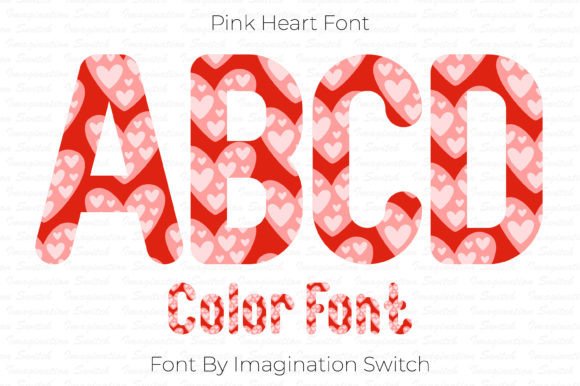
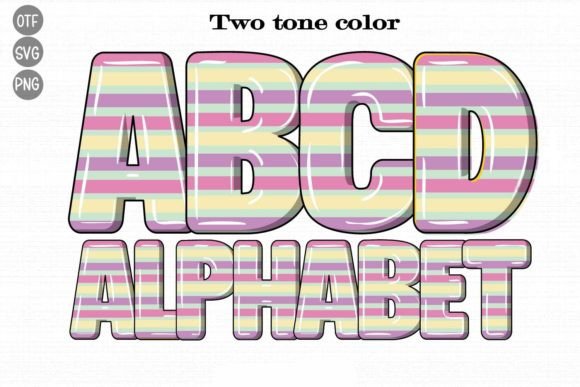
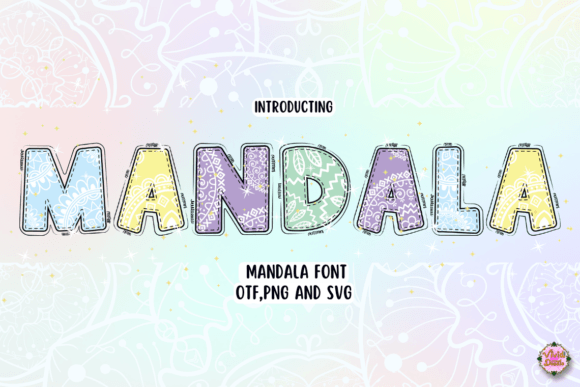
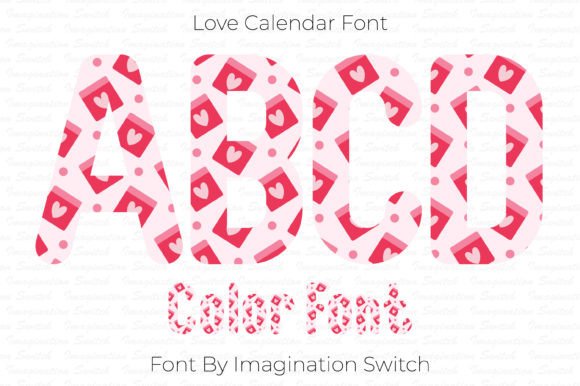
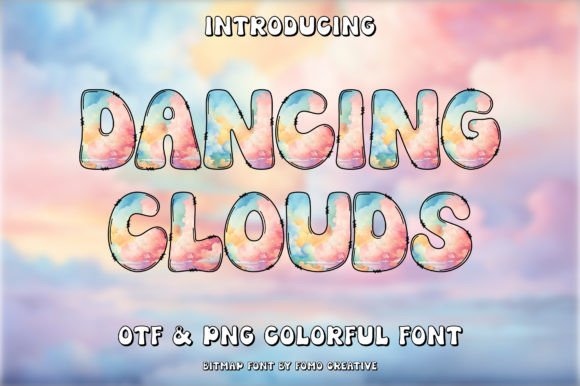
At its heart, Dancing Clouds is a display font, meaning it’s crafted for impact rather than long-form body text. Its visual identity is defined by its vibrant, multi-hued appearance. Imagine letters that seem to be made of swirling pigments, soft gradients, or textured watercolor washes. The "dancing" in its name likely refers to a sense of movement and energy in its letterforms—perhaps a slight bounce, flowing connections reminiscent of a script font, or a whimsical, handwritten font quality.
The appeal of a font like Dancing Clouds lies in its ability to convey a specific mood instantly. It can feel playful, youthful, and energetic, making it perfect for projects targeting a creative or younger audience. Alternatively, depending on its specific color palette and style, it could evoke a sense of elegance, mystery, or artistic sophistication. This versatility makes it a powerful tool for designers looking to move beyond static, single-color typography and explore more expressive visual storytelling.
Where This Creative Font Shines: Practical Applications
Understanding where Dancing Clouds works best is key to using it effectively. Its nature as a decorative, creative font means it excels in contexts where short bursts of text need to grab attention.
Branding and Logo Design: For brands that want to project innovation, creativity, or fun, Dancing Clouds can be a game-changer. It’s ideal for a logo design for a boutique, a children's brand, a creative agency, or a lifestyle blog. It helps build a brand identity that is immediately memorable and stands out in a crowded marketplace. However, it should be used judiciously. Pair it with a more neutral sans serif font for body text to maintain professionalism and readability.
Marketing and Social Media: In the fast-scrolling world of social media graphics, stopping power is everything. Use Dancing Clouds for headlines on Instagram posts, Facebook ads, or YouTube thumbnails. Its inherent visual appeal can increase engagement and click-through rates. It’s also excellent for designing eye-catching posters, flyers, and digital invitations where the event's vibe is celebratory, artistic, or casual.
Publishing and Editorial Design: While not for the main body of a novel, this font can add a fantastic touch to editorial design. Think chapter headings in a lifestyle magazine, pull quotes in a blog post, or title treatments for a special feature. It brings a layer of visual interest that can elevate the overall reader experience.
Packaging and Product Design: For physical products, especially in the craft, beauty, or food industries, Dancing Clouds can make packaging pop off the shelf. Imagine it on a gourmet cookie box, a artisan soap label, or a gift tag. It communicates care, artistry, and a premium, handmade feel.
Mastering the Art of Font Pairing and Hierarchy
The real skill in using a bold typeface like Dancing Clouds is knowing how to balance it. A common mistake is using it for everything, which can quickly become visually overwhelming and reduce legibility. The golden rule is contrast and hierarchy.
Use Dancing Clouds for your primary headline or a key call-to-action. Then, choose a complementary, simpler font for supporting text. A classic pairing is a decorative display font with a clean, geometric sans serif font. For example, you might use Dancing Clouds for "Summer Collection" and then use a font like Montserrat or Open Sans for the product details below it. This creates a clear visual hierarchy that guides the viewer's eye and makes the design easy to digest.
When evaluating font pairings, test them together in your actual design context. Check the size relationship, weight contrast, and overall color balance. Does the headline overpower everything, or does it work in harmony with the body copy? Readability is paramount, even for display text. Ensure the colors and gradients within the font itself have enough contrast against the background to be read easily at a glance.
A Practical Guide to Choosing and Using Dancing Clouds
Before integrating Dancing Clouds into your next project, consider these practical steps:
Evaluate Your Project's Fit: Does the project's tone align with the font's personality? A corporate financial report is not the place, but a startup's launch campaign might be perfect. Ask yourself: does this font support the message I'm trying to send?
Review the Included Styles: A high-quality commercial font often comes with multiple styles or weights. Does the Dancing Clouds family include a regular, bold, or italic version? Are there alternate character sets? These extras provide more flexibility for creating nuanced designs.
Test for Readability at Scale: View the font at the size you intend to use it. A complex gradient that looks beautiful on a poster might become a muddy blur when reduced for a web banner. Always do a test print or a screen preview at 100% zoom.
Understand the Licensing: As a premium font, Dancing Clouds will come with a commercial license. Carefully read the terms. Licenses typically specify where and how you can use the font (e.g., on websites, in print materials, on merchandise for sale). Ensure the license covers all your intended uses to avoid legal issues down the line.
Incorporating a color font like Dancing Clouds into your toolkit is about embracing a more expressive form of communication. It’s a design asset that, when used thoughtfully, can transform a standard layout into something visually captivating and memorable. By understanding its strengths, pairing it wisely, and respecting its limitations, you can leverage its unique character to create designs that truly resonate with your audience.