Red Pattern: A Playful Typeface for Vibrant Projects
In the crowded landscape of modern typography, finding a typeface that genuinely captures the spirit of childhood without feeling dated or generic is a significant challenge. Red Pattern enters the scene as a distinct creative font designed specifically to bridge the gap between playful whimsy and professional execution. Unlike standard sans serif font options that often lack personality, or heavy serif font choices that can feel too corporate, Red Pattern offers a unique visual rhythm. It is a premium font that doesn't just display text; it creates an atmosphere. For designers, marketers, and content creators, understanding how to leverage this specific aesthetic is key to unlocking more engaging visual communication for younger audiences.
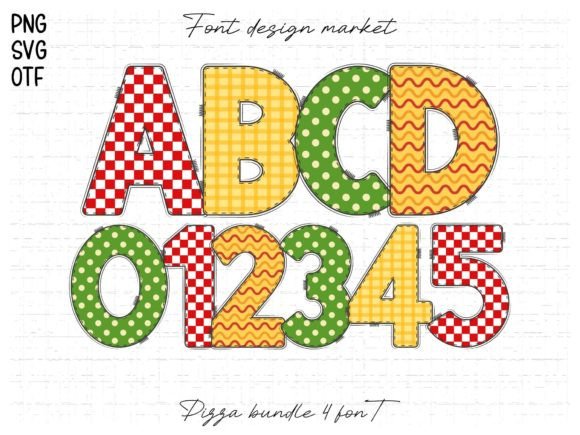
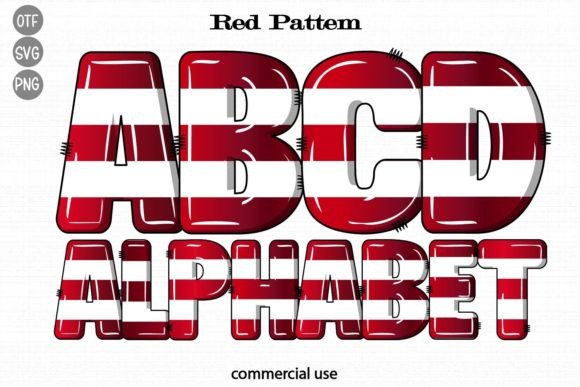
The visual personality of Red Pattern is defined by its "cute red" energy and structural integrity. While it is a display font, it avoids the chaotic legibility issues often found in novelty typefaces. The letterforms are crafted with a balance of soft curves and rhythmic spacing, making it feel approachable and friendly. It functions differently than a traditional script font or handwritten font. While those styles often mimic the imperfections of human touch, Red Pattern offers a more consistent, pattern-like rhythm that ensures stability across different sizes. This makes it an excellent asset for brand identity work where consistency is paramount, yet a playful tone is required. It captures the essence of a child's imagination but polishes it for commercial viability.
Strategic Applications: From Packaging to Pixels
The versatility of Red Pattern allows it to shine across a wide array of mediums, particularly in industries targeting families, education, and entertainment. For entrepreneurs and small business owners in the toy, confectionery, or educational sectors, this font serves as a foundational element for logo design. A logo sets the first impression, and using Red Pattern immediately signals that a brand is approachable, fun, and safe. It moves beyond simple text to become a visual mascot of sorts. In packaging design, the font can be utilized to highlight key product features or flavor names, drawing the eye of both parents and children on crowded retail shelves.
In the digital realm, the application of Red Pattern is equally potent. Web design often suffers from a lack of personality, relying too heavily on geometric sans-serifs. By implementing Red Pattern for headers or call-to-action buttons, a website can instantly alter its user experience, making navigation feel like an adventure rather than a chore. Furthermore, for bloggers and publishers focusing on parenting, homeschooling, or family travel, this typeface offers a way to unify the visual hierarchy of their content. It works exceptionally well for social media graphics, where standing out in a fast-scrolling feed is critical. The distinct silhouette of the letters ensures that even at smaller mobile resolutions, the message retains its cheerful character.
The Psychology of Color and Form in Typography
When we discuss Red Pattern, we are not just looking at shapes; we are analyzing the psychology of engagement. The association with the color red—often linked to energy, excitement, and attention—plays a subconscious role in how the font is perceived, even when printed in black ink. The structural design of the letters mimics the patterns found in children's games and toys, triggering a sense of nostalgia and playfulness in the viewer. For marketers, this psychological trigger is invaluable. It lowers the barrier to engagement, making the audience more receptive to the message being conveyed. Whether used in editorial design for a children's magazine or in educational worksheets, the font helps establish a mood that is conducive to learning and fun.
However, effective use of this creative font requires an understanding of visual hierarchy. Because Red Pattern carries such a strong personality, it is best used as a headline or accent font rather than for long-form body copy. Pairing it with a clean, neutral sans serif font is a recommended strategy. This contrast allows the personality of Red Pattern to pop without overwhelming the reader. For instance, using Red Pattern for main titles in a brochure while using a standard sans-serif for the descriptions creates a balanced font pairing that guides the reader's eye naturally from the exciting headline to the informative text.
Practical Integration and Licensing Considerations
For crafters and hobbyists, Red Pattern offers immense value in DIY projects. From birthday invitations and classroom decorations to custom t-shirts and scrapbooking, the font adds a professional polish that standard system fonts cannot match. It is a design asset that elevates homemade projects to a boutique level. However, before integrating Red Pattern into commercial products, it is essential to review the licensing terms. As a commercial font, its usage rights typically cover a specific number of users or devices, and extended licenses may be required for mass production on merchandise.
When evaluating the fit of Red Pattern for a specific project, testing is crucial. Designers should experiment with kerning and tracking to ensure the letterforms breathe well, especially at larger display sizes. Checking the readability of the font against various background textures and colors is also a necessary step to maintain accessibility standards. Ultimately, Red Pattern is more than just a collection of glyphs; it is a strategic tool for anyone looking to inject vibrancy, warmth, and a child-friendly aesthetic into their visual communication. By respecting its unique style and pairing it thoughtfully, creators can build memorable experiences that resonate deeply with their intended audience.