Thailand: Infusing Southeast Asian Charm into Your Designs
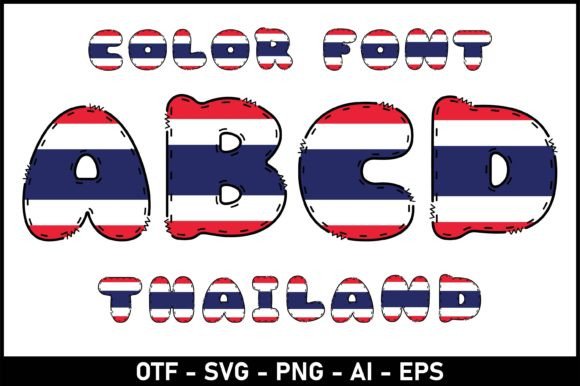
When I first encountered the Thailand font, it immediately evoked the bustling, colorful energy of Bangkok's floating markets and the intricate, flowing curves of traditional temple murals. This isn't just another typeface; it's a visual personality. Thailand is a premium font that masterfully blends a script font feel with a modern, almost handwritten sensibility. Its characters flow with a confident, organic rhythm, featuring varied stroke weights and a subtle bounce that gives it life. The overall appeal is one of playful sophistication—friendly enough for a child's birthday party invitation, yet stylish enough for a boutique brand's logo. It avoids the rigidity of a standard sans serif font while offering more legibility than a complex serif font, making it a versatile creative font for a wide array of projects.
Where This Creative Font Truly Shines
The true strength of Thailand lies in its application. It’s a display font at heart, meaning it’s built for headlines, logos, and focal points where its personality can take center stage. For logo design, it imparts an immediate sense of craftsmanship and approachability—perfect for a local café, a handmade jewelry line, or a travel blog. In packaging design, especially for artisanal foods, cosmetics, or gift items, the font adds a layer of tactile warmth that communicates care and quality. Think of a label for organic tea or a hand-poured candle; Thailand’s fluidity mirrors the product's artisanal nature.
Its charm extends powerfully into the digital realm. For social media graphics—Instagram stories, Pinterest pins, or Facebook event announcements—Thailand grabs attention with its unique style, helping posts stand out in a crowded feed. It’s equally effective in editorial design for magazine pull-quotes, book chapter titles, or blog post headers, where it can break the monotony of body text and inject personality. For web design, while it should be used sparingly due to file size and readability concerns, it can create stunning hero section headings or brand statement lines that define a site's entire brand identity.
The Practical Side: Choosing and Using Thailand
Integrating a font like Thailand into your workflow requires a thoughtful approach. First, always evaluate your project's core message. Does it call for warmth, creativity, and a human touch? If you're designing for a corporate law firm or a medical device, its playful nature might undermine credibility. However, for a yoga studio, a children's bookstore, or a destination wedding planner, it’s an ideal match. Before committing, test its readability at the intended size. A beautiful script can become illegible when shrunk for a website footer or a business card phone number.
One of the most critical aspects of using this modern typography effectively is font pairing. Thailand’s strong personality demands a neutral, stable partner to create a balanced visual hierarchy. Pair it with a clean, geometric sans serif font for body text to ensure your message remains clear. For example, combine a Thailand headline with a font like Montserrat or Open Sans for paragraphs. This contrast allows Thailand to shine without overwhelming the reader. Always review the included styles—does it come with alternate characters, ligatures, or multiple weights? These design assets can add crucial variety to your work.
Finally, respect the licensing. Thailand is a commercial font, meaning you need to ensure your license covers its intended use—whether for a client's brand, merchandise for sale, or a digital product. The distinction between personal and commercial use is vital for professional work. The font's compatibility note is also key: the black version works with cutting machines like Cricut, making it a fantastic tool for crafters creating decals, cards, or apparel. The color version, however, is limited to specific design software, a crucial detail for anyone working in those formats. By considering these practical elements, you can leverage Thailand not just as a font, but as a strategic tool for building engaging, memorable, and professionally cohesive designs.