The Playful Power of the Lady Bugs Doodle Alphabet Font
There is a specific kind of energy that a well-designed project demands—one that feels approachable, creative, and undeniably fun. If you have ever found yourself scrolling through endless lists of sans serif fonts or serious serif fonts looking for something that sparks joy rather than just communicating information, you have likely felt the gap in the market for high-quality playfulness. This is exactly where the Lady Bugs Doodle Alphabet enters the conversation. It is not just another typeface; it is a premium font designed to inject personality into your work instantly.
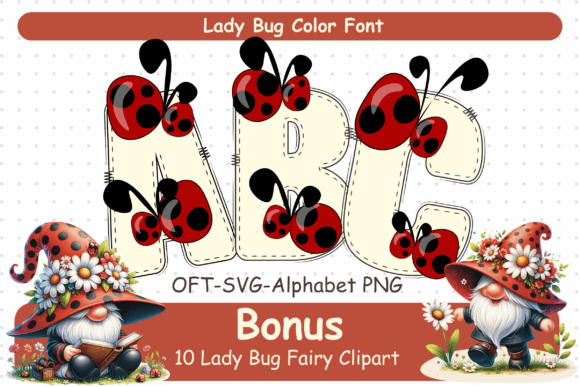
At its core, Lady Bugs is a color font that leans heavily into the charm of a handwritten font aesthetic. Unlike traditional vector typefaces that rely on a single solid color, this font comes pre-loaded with texture, vibrancy, and a chunky, confident weight. The letterforms are designed to look like they have been colored in with markers or crayons, featuring a "doodle" style that feels authentic and human. It avoids the stiffness of geometric shapes, offering rounded corners and slightly irregular baselines that mimic the natural imperfections of hand-lettering. This visual style is what makes it a standout creative font. It feels tactile—almost as if you could reach out and feel the texture of the paper it was drawn on.
Visual Identity and Brand Personality
When we talk about brand identity, we are talking about the sum of all parts that make a business recognizable. Typography plays a massive role in this. Choosing a typeface like Lady Bugs is a strategic decision to position a brand as friendly, accessible, and imaginative. It signals to the audience that the brand does not take itself too seriously and values creativity.
However, this does not mean it lacks professionalism. In the world of modern typography, professionalism is defined by context and consistency. A law firm might need a stern serif, but a daycare center, a toy shop, or a creative agency needs a font that speaks the language of its audience. Lady Bugs provides that visual shorthand for "fun." Its chunky lettering ensures that it maintains a strong presence, preventing it from looking weak or washed out, even though it possesses a youthful energy.
One of the most compelling aspects of this typeface is its versatility as a display font. Because it is so visually distinct, it commands attention immediately. This makes it incredibly effective for headers, titles, and call-to-action buttons where you need to stop the scroll. It pairs surprisingly well with more neutral typefaces. For instance, using a clean, geometric sans serif font for your body copy allows the Lady Bugs font to pop without overwhelming the reader. This contrast creates a dynamic visual hierarchy that guides the eye naturally from the headline to the content.
Practical Applications: From Digital to Print
The utility of Lady Bugs spans a wide variety of mediums. For digital creators, this typeface is a game-changer for social media graphics. In a feed dominated by stark minimalism or generic templates, a colorful, doodle-style font offers a refreshing break. It works exceptionally well for Instagram Stories, YouTube thumbnails, or Pinterest pins where the goal is to convey a tutorial, a craft project, or a lighthearted announcement. The inherent "cuteness" of the font increases engagement, particularly with audiences looking for family-friendly or educational content.
Beyond the screen, the applications in packaging design and editorial design are vast. Imagine a children’s book cover where the title needs to look like it was drawn by the protagonist. Or consider the packaging for a line of organic snacks or craft supplies; Lady Bugs reinforces the idea that the product is handmade or care-oriented. It bridges the gap between logo design and illustration. While it might not be suitable for a corporate merger document, it is perfect for the logo of a local bakery, a summer camp, or a boutique stationery shop.
For educators and parents, the font serves a functional purpose as well. The chunky, clear letterforms are excellent for teaching materials, flashcards, and school projects. The "doodle" aspect encourages creativity in students, suggesting that learning can be an artistic endeavor. It transforms a mundane worksheet into an engaging activity.
Design Strategy and Font Pairings
Integrating a premium font like this into your workflow requires a bit of strategy. Because Lady Bugs is a display font with a strong personality, it should rarely be used for long-form body text. Reading paragraphs of "doodle" text can become fatiguing for the eyes. Instead, treat it as the seasoning in your design recipe—use it to add flavor to headlines and accents.
When considering font pairing, look for balance. A script font might compete with the whimsical nature of Lady Bugs, creating a chaotic look. However, pairing it with a sturdy, rounded sans serif font creates a harmonious relationship. The sans serif acts as the reliable foundation, while Lady Bugs provides the excitement. If you are working on a project that requires a touch of elegance but still needs to feel approachable, consider pairing it with a light-weight serif font. The contrast between the structured serif and the organic doodle style can create a sophisticated yet playful aesthetic.
Another critical factor is color theory. Since this is a color font, it often comes with pre-set colors, but high-quality versions usually allow for customization. If you can change the color, ensure it aligns with your brand identity. Bright primary colors work best to maintain the playful vibe, but muted pastels can soften the look for a more vintage or gentle feel. Always test the font against different background colors to ensure readability. A busy background can clash with the texture of the font, so using a solid color block or a simple pattern behind the text is a wise design choice.
Technical Considerations and Licensing
Before downloading, it is essential to understand the technical side of color fonts. Not all software supports the advanced OpenType features required to render the colors and textures of a font like Lady Bugs. Most modern versions of Adobe Photoshop, Illustrator, and InDesign support them well, as do many web browsers. However, if you open the font in an older version of software or a basic text editor, it might appear as a standard black vector outline. It will still look like a great handwritten font, but you will lose the "doodle" color effect.
Regarding usage, always review the licensing agreement. Most fonts available on marketplaces come with a standard license for desktop use (logos, print), but if you plan to use it for a high-traffic website or web design application, you may need a web font license (often provided as .WOFF or .WOFF2 files). If you are creating physical products for sale—like t-shirts, mugs, or planners—ensure your license covers "print-on-demand" or "commercial use." Lady Bugs is a valuable design asset, and respecting the creator's licensing terms ensures you can use it legally and ethically in your business.
Ultimately, the goal of any typeface is to communicate a message effectively. Lady Bugs communicates joy, creativity, and approachability. It is a tool that allows marketers, bloggers, and designers to break away from the monotony of corporate typography and connect with their audience on a more emotional level. By understanding its strengths and applying it thoughtfully, you can elevate your projects from simple designs to memorable visual experiences. Whether you are launching a new product line or designing a flyer for a local event, this font offers a distinct voice that is hard to ignore.