The Unexpected Power of Fun: Beyond Whimsy in Design
When you hear a typeface described as "Fun," your mind might jump straight to primary-colored birthday invitations or the cover of a whimsical children's storybook. That association isn't wrong, but it's only the starting point. A font categorized under this playful banner is a strategic tool, a visual shorthand for approachability, creativity, and a certain lighthearted energy that cuts through the noise. Understanding how to wield this creative font effectively can transform a project from merely functional to genuinely memorable.
Anatomy of a Playful Typeface
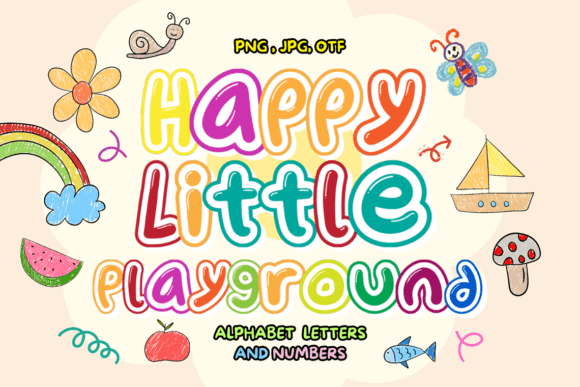
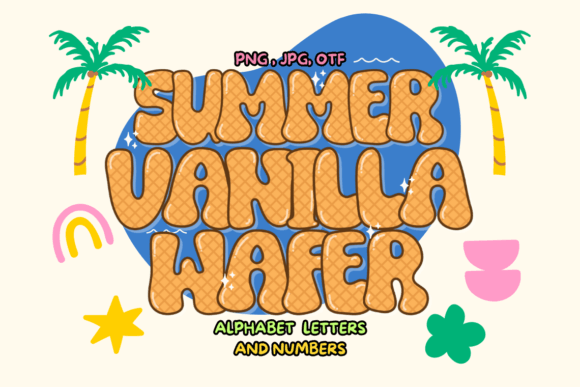
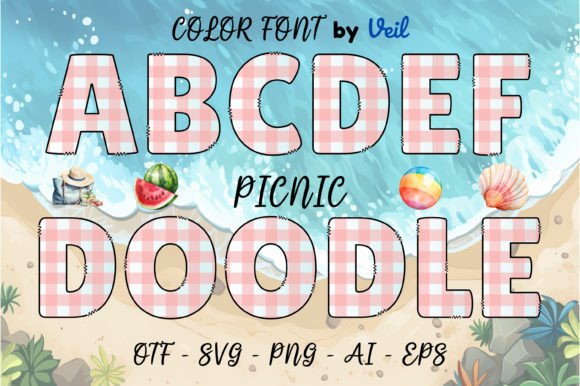
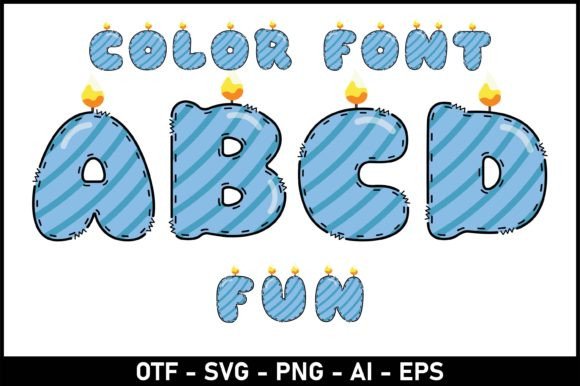
A font earns its "Fun" descriptor through specific visual cues. Unlike the rigid geometry of a sans serif font or the traditional serifs of a serif font, these typefaces often embrace irregularity. You'll see rounded terminals that feel soft and inviting, slightly uneven baselines that mimic hand-lettering, and generous, open counters that enhance readability at a glance. Some lean into a script font or handwritten font style, with connecting strokes and a fluid, organic rhythm. Others are bold, blocky display fonts with exaggerated proportions and quirky details—a misplaced dot, a curved leg on a 'k', or a playful ligature.
The personality is key. It’s not just about being loud or childish; it’s about conveying warmth, optimism, and a human touch. Think of it as the typographic equivalent of a smile. This makes it a powerful design asset for brands and projects that want to feel accessible, innovative, or joyfully unconventional.
Strategic Applications: Where Play Meets Purpose
The true test of any premium font is its real-world application. A well-chosen fun typeface isn't a one-trick pony; it can anchor a variety of projects across different mediums.
Building a Brand with Personality
In brand identity and logo design, a fun font can be the cornerstone of a relatable personality. Imagine a local bakery using a rounded, friendly sans serif for its logo—the typeface instantly communicates approachability and homemade care. A tech startup might use a bold, geometric display font with a single whimsical detail to signal innovation and a break from corporate stiffness. The key is alignment: the font's personality must reflect the brand's core values. It’s less about being "fun" universally and more about being the right kind of fun for the target audience.
Engaging Audiences in Print and Digital
In editorial design and packaging design, these fonts excel at grabbing attention. A headline on a magazine spread or a product label for an artisanal soda can use a fun display font to create an instant emotional hook. However, this is where readability becomes critical. A highly stylized script might be perfect for a logo but disastrous for a paragraph of body text. Savvy designers use these fonts for short, impactful bursts—headers, subheadings, pull quotes, or calls-to-action—pairing them with a more neutral, highly readable font pairing for longer copy.
The digital landscape is a natural habitat. Social media graphics and web design elements benefit immensely from fonts that convey personality in a split second. A bold, playful typeface can make an Instagram story pop or a website banner feel welcoming. For content creators and bloggers, using such a font for section headers or featured quotes can break up text and inject a distinctive voice into their layout.
Practical Guidance for Choosing and Using Playful Fonts
Integrating a fun typeface into your toolkit requires more than just picking one you like. It demands a strategic approach to ensure it works for your specific needs.
- Evaluate Project Fit: Ask yourself what emotion or message you need to convey. A fun font for a children's educational app will differ from one for a trendy coffee shop's menu. Consider your audience's expectations and the project's overall tone.
- Test Font Pairings Rigorously: The most common mistake is pairing a playful display font with another loud typeface. The principle of contrast is your friend. Pair a whimsical script font with a clean, geometric sans serif font. Let the fun font own the headlines while a workhorse typeface handles the body text. Always test combinations at the actual size they'll be used.
- Review Included Styles and Weights: A robust commercial font family often includes more than one style. Does it have bold and regular weights? Does it include a set of stylistic alternates or ligatures that allow for more customization? These features add tremendous value and flexibility.
- Prioritize Readability: Never sacrifice clarity for style. Test the font in context. Print out a sample or view it on different screens. If the letterforms are too complex or the spacing too tight, it will frustrate readers, no matter how charming it looks in isolation.
- Understand Commercial Licensing: For any professional use, ensure you have the correct commercial font license. This covers use in logos, merchandise, apps, and client projects. Using a font without proper licensing is a serious risk to your business or your client's.
The Subtle Art of Controlled Joy
Ultimately, the most effective use of a fun typeface is one of restraint and intention. It's not about making everything playful; it's about strategically placing moments of delight to guide the viewer's eye and shape their perception. When used thoughtfully, it becomes more than just a design asset; it becomes a voice. It can make a brand feel more human, a publication more engaging, and a message more resonant. In the vast world of modern typography, embracing the power of fun is a smart way to connect, stand out, and communicate with a smile.