Wavy: The Creative Font That Brings Playful Energy to Your Projects
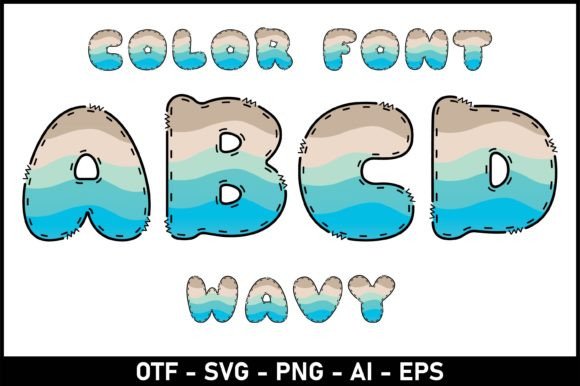
When you’re designing something that needs to feel approachable, fun, and a little bit mischievous, the typography you choose makes all the difference. That’s where a creative font like Wavy comes in. It’s not just a set of letters; it’s a design asset with a distinct personality. The visual style of Wavy is characterized by its fluid, undulating strokes and a sense of movement that feels both organic and energetic. It avoids the rigidity of a standard sans serif font and the formality of a classic serif font, instead carving out its own space as a display font that’s instantly recognizable. This typeface has a handcrafted quality, reminiscent of a script font or handwritten font, but with a more structured and versatile form that holds up well across various applications.
Where This Font Truly Comes Alive
Think about the last time a piece of design made you smile. Chances are, the typography played a key role. Wavy excels in projects where you want to inject a sense of joy and creativity. It’s a natural fit for children’s book covers and interior layouts, where its playful curves can make reading feel like an adventure. For packaging design, especially for artisanal foods, cosmetics, or toys, Wavy can help a product stand out on a crowded shelf by communicating a fun, handmade ethos. In the realm of editorial design, it works beautifully for pull quotes, headlines in lifestyle magazines, or section dividers that need a touch of whimsy without sacrificing clarity.
Beyond print, this premium font finds a strong home in digital spaces. As part of a brand identity, Wavy can define the voice of a company targeting a younger or more creative demographic—a bakery, a boutique studio, a children’s entertainment app. For social media graphics, its distinctive look is perfect for creating scroll-stopping quotes, event announcements, or promotional posts that feel fresh and engaging. Even in web design, used strategically for hero text or call-to-action buttons, it can add a layer of personality that a standard modern typography choice might lack. The key is using it where its character can shine without overwhelming the message.
Making It Work: Practical Tips for Using Wavy
Choosing a font like Wavy is just the first step. The real work is in integrating it effectively into your design system. A major consideration is readability. While Wavy is designed to be legible, its decorative nature means it’s best suited for short bursts of text—headlines, titles, logos, and short phrases. For body copy, you’ll want to pair it with a highly readable sans serif font or a simple serif font. This contrast is fundamental to creating a strong visual hierarchy. Imagine a restaurant menu: Wavy for the dish names, and a clean sans serif for the descriptions and prices. This pairing guides the eye and keeps the layout organized.
Before committing, always test your font pairing. Does the playful energy of Wavy clash with or complement your other type choices? It often pairs well with geometric sans serifs, which provide a clean, stable counterpoint. Also, review the full package. A quality commercial font like this often includes multiple styles or weights. Check if it has a black version for bold headlines and how it handles different punctuation and special characters you might need.
For crafters and designers using cutting machines, there’s an important compatibility note. The standard black version of Wavy is compatible with Cricut Design Space and similar software. However, if you’re drawn to the color version—which can include gradients or multi-tonal effects—it’s crucial to know its limitations. This version is typically only compatible with advanced design programs like Adobe Photoshop, Illustrator, Silhouette Studio, and Inkscape. The color OTF/TTF files will not work in Cricut Design Space. Always check the font guide provided by the foundry to understand exactly what you’re getting and how to use it. This prevents frustration and ensures you can bring your vision to life exactly as intended.
Building Recognition with a Consistent Voice
In a crowded market, consistency is what builds brand recognition. When you select a distinctive display font like Wavy for your logo design or key marketing materials, you’re making a strategic choice. You’re saying your brand is approachable, creative, and full of personality. Using it consistently across your website headers, your email newsletters, and your product labels reinforces that message every single time a customer interacts with you. It becomes a recognizable element of your brand identity, much like a color palette or a logo mark.
However, consistency doesn’t mean monotony. The included styles within the font family allow for variation. You might use the bold weight for primary headlines and a lighter weight for secondary text in a poster, maintaining the Wavy personality while creating subtle hierarchy. For entrepreneurs and small business owners, investing in a versatile premium font is an investment in your brand’s toolkit. It’s a design asset that saves time, ensures professional results, and helps you communicate your unique value visually. Just remember to always verify the commercial license covers your intended use, whether for client work, merchandise, or digital products.
Ultimately, a font like Wavy is a tool for storytelling. It doesn’t just display words; it conveys an emotion, sets a scene, and invites your audience into a specific experience. By understanding its strengths, respecting its limitations, and pairing it thoughtfully, you can harness its playful energy to make your projects more memorable, engaging, and authentically you.