Celebrating Design with the Pizza Day Typeface
There are design projects that require a quiet, professional whisper, and then there are those that demand a loud, enthusiastic cheer. When you are working on a project meant to bring joy, evoke nostalgia, or spark creativity, the choice of typography is your most critical decision. Enter the Pizza Day font, a typeface that doesn't just sit on the page—it dances. This is not your typical corporate sans serif font; it is a premium font designed specifically to inject personality into your work. For designers, entrepreneurs, and crafters looking for a creative font that bridges the gap between whimsical storytelling and modern design, understanding the nuances of Pizza Day is essential for elevating your next project.
The Personality and Visual Appeal of Pizza Day
At its core, Pizza Day is a display font characterized by a handwritten font aesthetic that feels both organic and polished. It avoids the jagged, hard-to-read edges often found in casual typography, replacing them with smooth curves and consistent stroke widths. This creates a style that is playful without being childish, making it a versatile tool for a wide range of audiences. The visual rhythm of the letters suggests movement and energy, which is why it is particularly effective in designs aiming to convey a playful or artistic feel. It carries the warmth of a script font but maintains the legibility of a modern typography staple.
The "personality" of a typeface dictates how your message is received. A standard serif font might convey history and authority, but Pizza Day conveys approachability and fun. This makes it an exceptional choice for branding where human connection is key. Think of a local bakery, a boutique children’s clothing line, or a lifestyle blog. By utilizing Pizza Day, you immediately signal to your audience that your brand is friendly, creative, and accessible. The font’s inherent charm makes it a standout choice for anyone looking to build a brand identity that feels authentic rather than corporate.
Where Pizza Day Shines: Applications and Use Cases
The utility of the Pizza Day font extends far beyond simple headers. Its design is particularly suited for specific mediums where engagement and visual hierarchy are paramount. Here is where this typeface truly excels:
- Children’s Books and Editorial Design: As noted, children’s books often utilize fonts that are whimsical and easy to read. Pizza Day fits this niche perfectly. It creates an engaging reading experience for young audiences, helping to guide the eye through a narrative without causing fatigue. In editorial design, it can be used for pull quotes or section headers to break up dense blocks of text.
- Invitations and Greeting Cards: Whether for a birthday party or a seasonal holiday, the font’s warm nature makes it ideal for invitations. It mimics the personal touch of handwriting, making the recipient feel personally addressed.
- Packaging Design and Posters: In the world of packaging design, shelf appeal is everything. Pizza Day draws the eye instantly. It works beautifully on posters for events, particularly those involving food, art, or community gatherings. The font’s bold presence ensures that key information is not missed.
- Digital Assets and Social Media Graphics: In the fast-paced world of web design and social media, you have seconds to capture attention. Using Pizza Day in social media graphics can increase engagement rates because of its friendly and approachable vibe. It works well for Instagram stories, YouTube thumbnails, and blog headers.
Technical Versatility and Machine Compatibility
For the crafters and makers in the audience, the technical specifications of a font are just as important as its aesthetics. One of the standout features of the Pizza Day font is its compatibility with cutting machines. The black version of this font is fully compatible with Cricut Design Space and other popular cutting machines. This opens up a world of possibilities for physical products, including vinyl decals, heat transfers for t-shirts, custom mugs, and intricate paper crafting. You can take a digital design asset and turn it into a tangible product with ease.
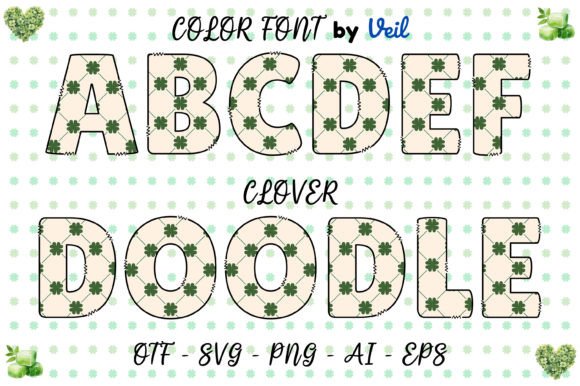
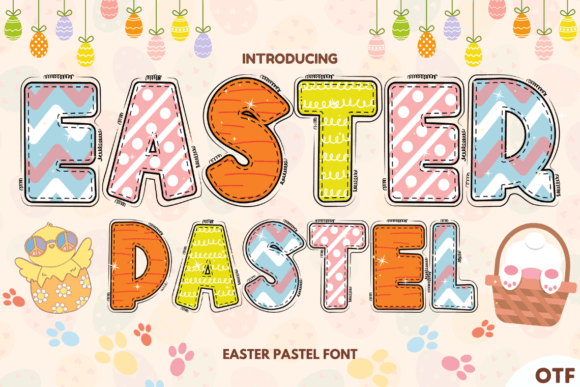
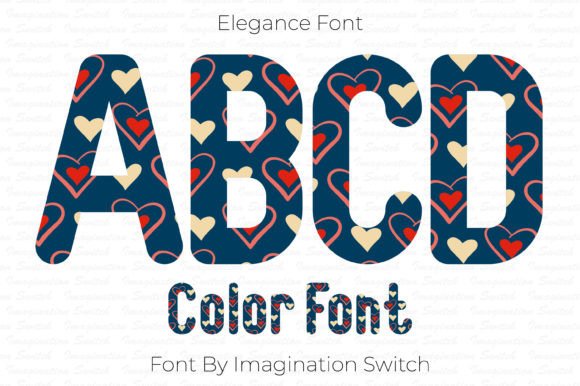
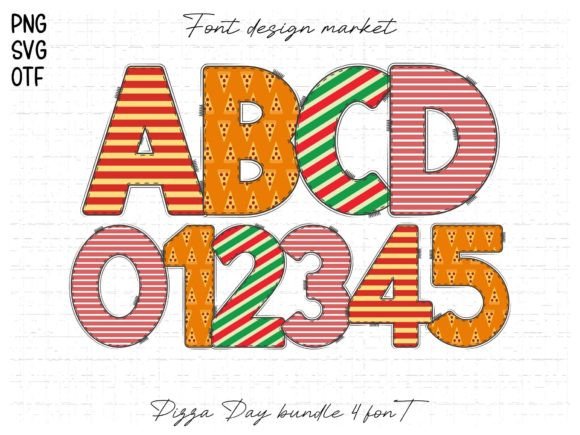
However, it is vital to understand the distinction between the font versions to ensure a smooth workflow. The color version of Pizza Day—which includes multi-colored layers or fills—is a specialized tool. This version is only compatible with advanced design programs that support color fonts, such as PhotoShop, Illustrator, Silhouette Studio, and Inkscape.
Important Note: The OTF and/or TTF files of the color version are not compatible with Cricut. If you attempt to upload the color version to Cricut Design Space, you may encounter errors or lose the color data. For crafters, the best practice is to use the black version for cutting machines and the color version for digital printables or graphics designed in Adobe software. For a deeper understanding of these mechanics, checking a comprehensive guide on font usage, such as an "Ultimate Font Guide," is highly recommended to maximize the potential of these design assets.
Strategic Implementation: Pairing and Readability
Using a creative font effectively requires strategy. You cannot simply drop Pizza Day into a layout and expect it to work without considering the surrounding elements. Here is how to handle it like a pro:
- Font Pairing: Because Pizza Day is a display font with a strong personality, it pairs best with something more neutral. A clean sans serif font or a classic serif font works well for body text. If you use Pizza Day for the headline, choose a font like Open Sans, Roboto, or Lato for the paragraph text. This contrast creates a visual hierarchy that guides the reader from the headline to the content naturally.
- Readability Considerations: While the font is legible for short bursts of text, it is not designed for long-form body copy. Avoid using it for 12-point paragraphs in a novel or a white paper. Instead, reserve it for headers, logos, and call-to-action buttons where its unique style can be appreciated without hindering reading speed.
- Visual Hierarchy: Use the weight and size of Pizza Day to establish importance. In a poster design, for example, the event name should be in Pizza Day, while the date, time, and location might be in a complementary sans serif font. This ensures the "fun" element captures attention, while the "functional" element conveys the necessary details.
Evaluating Fit and Licensing
Before committing to the Pizza Day font for a commercial project, always conduct a fit test. Place the font in your mockups early in the design process. Does it align with the brand voice? If you are designing for a law firm, the answer is likely no. If you are designing for a pizzeria, a toy store, or a creative agency, it is an excellent fit.
Furthermore, review the included styles. A high-quality premium font often comes with alternates, ligatures, and stylistic sets. Exploring these features can help you customize the typography so it doesn't look generic. Finally, verify the commercial licensing. If you are using the font for a small business owner’s logo or for products you intend to sell, ensure your license covers commercial use. Most reputable font marketplaces are clear about this, but it is the designer's responsibility to ensure compliance.
Pizza Day is more than just a collection of glyphs; it is a mood setter. By understanding its technical limitations—specifically regarding the color version in cutting software—and leveraging its playful personality in the right contexts, you can create designs that resonate deeply with your audience. Whether you are a publisher looking for the next great children’s book typeface or a marketer crafting the perfect social media post, Pizza Day offers the creative flexibility to make your work stand out.