Unlocking Playful Design with the Clover Typeface
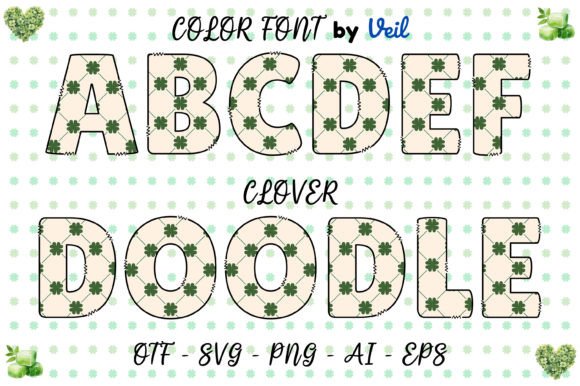
When you are working on a project that demands a bit of whimsy without sacrificing legibility, finding the right typeface is half the battle. This is where Clover enters the conversation. It is not just another script font; it is a carefully crafted tool designed to inject personality into your work. Whether you are designing a logo for a boutique bakery, laying out a children’s storybook, or creating social media graphics that need to pop, Clover offers a distinct aesthetic that balances artistic flair with practical functionality. It captures that "handmade" feel that modern typography often strives for, bridging the gap between casual doodles and professional design assets.
The Anatomy of Clover: Aesthetic and Personality
Visually, Clover is characterized by its fluid strokes and organic curves. It mimics the natural rhythm of handwriting, but with a consistency that makes it usable in professional settings. Unlike rigid sans serif fonts, Clover feels approachable and human. It often features slightly irregular baselines and varying stroke widths, which contribute to its authentic charm. This handwritten font style is particularly effective because it feels personal. It doesn't look like it was generated by a machine; it looks like it was drawn by a skilled hand. The personality of the typeface is undeniably upbeat and friendly, making it an excellent choice for projects that need to convey warmth, creativity, or a welcoming atmosphere.
Where Clover Shines: Applications Across Industries
One of the greatest strengths of a creative font like Clover is its versatility across different mediums. It is not limited to one niche, though it certainly excels in specific areas.
- Children’s Publishing and Education: As mentioned, children's books require fonts that are engaging. Clover is whimsical enough to capture a child's imagination but legible enough to aid in reading comprehension. It works beautifully for titles, chapter headings, and even pull quotes within editorial design.
- Branding and Logo Design: For small businesses—especially those in the lifestyle, wellness, or artisanal sectors—a logo design using Clover can instantly communicate a brand's values. It tells the customer, "We are approachable, creative, and detail-oriented." It is perfect for coffee shops, yoga studios, and boutique clothing lines.
- Packaging and Product Design: On the shelf, texture matters. Using Clover in packaging design can make a product feel more premium or artisanal. It stands out against the sea of corporate, geometric sans serifs often used by competitors.
- Invitations and Greeting Cards: This is a natural home for a script font. Wedding invitations, birthday cards, and stationery rely heavily on typography that feels intimate. Clover provides that elegance without being as formal as a traditional calligraphy font.
- Digital Media and Web Design: In the realm of web design and social media graphics, attention spans are short. Clover can be used for headers or accent text to break up the monotony of body copy. It draws the eye and adds a layer of visual interest to Instagram posts or blog headers.
The Strategic Value of a Playful Typeface
Choosing a font is rarely just about what looks good; it is about how it influences the viewer's perception. Typography is a silent ambassador for your brand identity. When you select Clover, you are making a strategic decision to soften your brand's voice. It influences readability by drawing readers in with its friendly appearance, rather than demanding their attention with harsh, blocky letters.
However, visual hierarchy is crucial here. Because Clover is a display-style font, it commands attention. It is generally best used for headlines, sub-headlines, and call-outs. Using it for large blocks of body text can lead to eye strain. Instead, pair it with a clean, neutral serif font or a sans serif font for the body copy. This contrast creates a dynamic layout where the headers provide the personality and the body text provides the clarity. This approach ensures your content remains professional while maintaining a distinct character.
Practical Guidance for Implementation
If you are considering integrating Clover into your next project, there are a few practical steps to ensure success. First, evaluate the weight and style variations included with the font. A robust premium font family often includes bold, light, and italic versions. Using these variations allows you to create emphasis without changing the typeface, maintaining consistency throughout your design.
Second, consider your font pairing. As a designer, I often test how a display font interacts with the system fonts I plan to use for body text. Clover pairs exceptionally well with simple geometric sans serifs or classic serifs. The contrast between the organic, flowing nature of Clover and the structured geometry of a font like Montserrat or Lora creates a balanced visual tension that looks professional.
Finally, always check the licensing. If you are working on a commercial project—be it logo design for a client or merchandise—you need to ensure you have the appropriate commercial license. Most high-quality typefaces are available for personal use, but commercial applications require a specific agreement. Respecting these boundaries is part of being a professional creative.
Conclusion
Clover is more than just a collection of vector paths; it is a tool for storytelling. It allows designers, entrepreneurs, and content creators to infuse their work with a sense of joy and authenticity. Whether you are crafting a brand identity from scratch or refreshing an existing layout, incorporating a versatile and charming typeface like Clover can elevate your project from functional to memorable. It reminds us that in a digital world, a human touch is often the most valuable design asset of all.