Unveiling Dreamy: A Creative Font for Captivating Designs
In the crowded landscape of modern typography, finding a typeface that does more than just convey words is a genuine asset. Dreamy is precisely that—a captivating typographic creation designed to catch the eye and hold attention. It moves beyond the conventional role of a simple typeface, utilizing intriguing colors to enhance its visual appeal in a way that feels fresh and contemporary. This is not just another set of letters; it's a complete character set, meticulously crafted with uppercase, lowercase, and numbers to provide true flexibility across a wide spectrum of creative projects.
The Allure of a Colorful Typeface
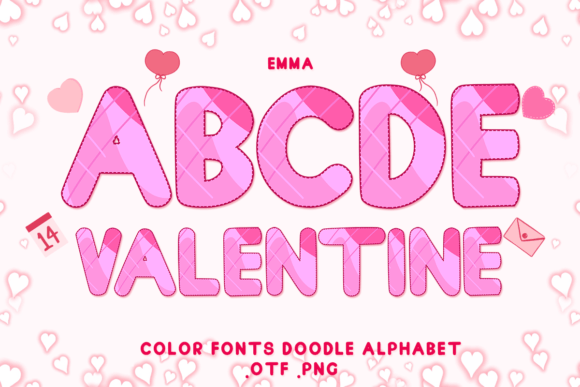
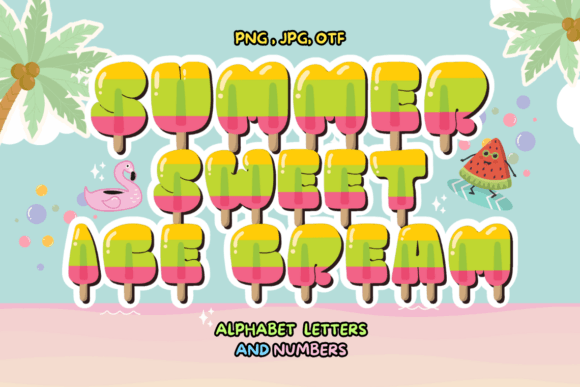
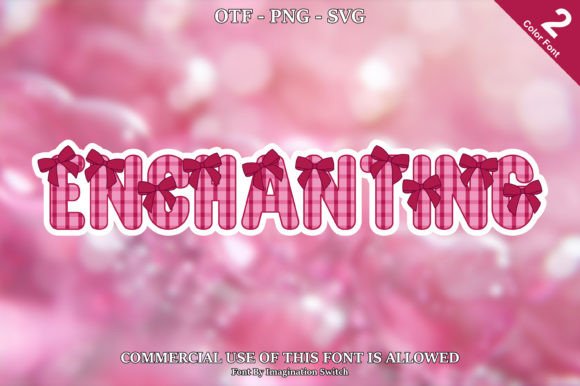
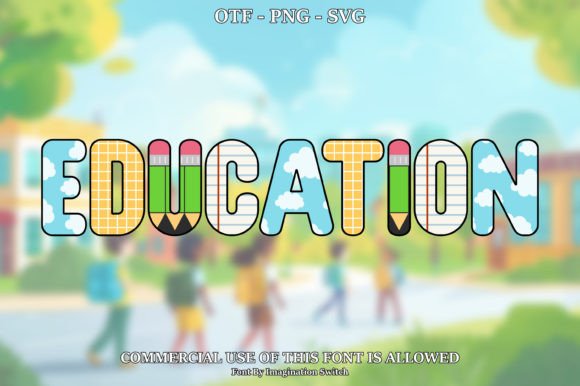
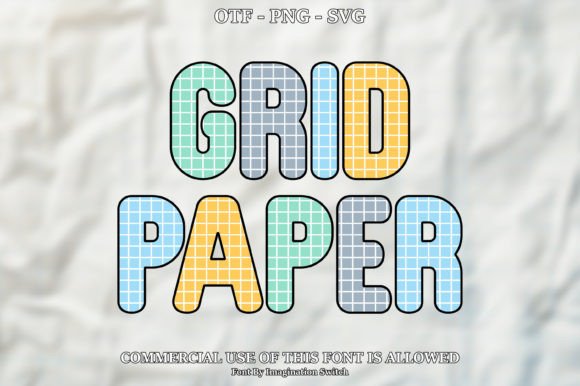
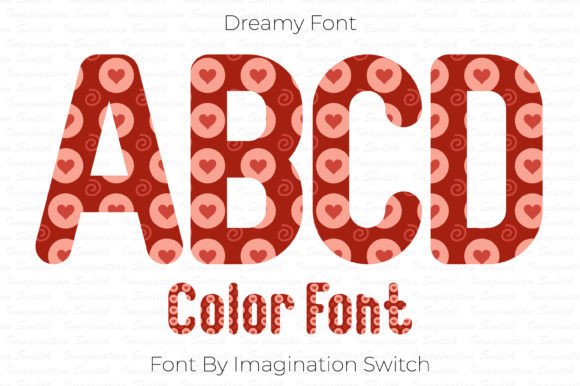
What immediately sets Dreamy apart is its vibrant personality. Each character has been carefully designed with its own unique color palette, creating a mesmerizing visual touch. When you utilize this font, you're not just choosing a style; you're introducing a layer of uniqueness and creativity directly into your designs. Imagine a headline where every letter pops with a different, harmonious hue, or a logo where the brand name itself becomes a piece of art. This is the core appeal of a creative font like Dreamy. It transforms standard text into a visual element, making each word and number stand out with its own subtle flair. This approach to modern typography allows for designs that are inherently more engaging and memorable than those relying on flat, monochromatic text.
Where Dreamy Truly Shines: Practical Applications
The versatility of a premium font often defines its value. Dreamy's strength lies in its ability to adapt to various contexts while maintaining its distinctive character. Its excellent legibility, even with its colorful presentation, makes it a surprisingly robust choice for numerous applications. For entrepreneurs and small business owners, it can be a game-changer for logo design and brand identity, instantly setting a brand apart with a playful yet professional aesthetic. Think of a boutique bakery, a creative agency, or a children's brand—Dreamy injects personality from the very first glance.
Beyond branding, this display font is ideal for projects where impact is key. Consider its use in:
- Marketing and Promotional Materials: Eye-catching posters, flyers, and social media graphics demand attention. Dreamy helps your message cut through the noise, making it perfect for announcements, sales, and event promotions where you need to stop the scroll.
- Packaging Design: On a shelf crowded with competitors, packaging needs to tell a story quickly. Using Dreamy for product names or key features can create an immediate emotional connection and signal a brand that values creativity.
- Editorial Design and Publishing: While a traditional serif font might be best for long-form body text, Dreamy can bring magazine covers, chapter titles, and pull quotes to life. It adds a dynamic visual break that enhances the reader's experience.
- Web Design: A well-chosen web design font can define a site's entire user experience. Using Dreamy for hero section headlines or call-to-action buttons can guide the visitor's eye and reinforce a brand's creative identity. It pairs exceptionally well with a clean sans serif font for body copy, creating a balanced and readable layout.
- Personal and Hobbyist Projects: For crafters and hobbyists, Dreamy is a fantastic design asset. From custom invitations and greeting cards to personalized stationery and digital planners, it allows for the creation of truly unique and heartfelt designs.
Integrating Dreamy into Your Design Workflow
Adopting any new commercial font requires a thoughtful approach. To ensure Dreamy enhances rather than overwhelms your project, consider these practical guidelines.
First, evaluate the project's fit. Dreamy is a creative font with a strong personality. It excels in contexts that call for creativity, fun, and modernity. For a highly formal legal document or a minimalist, ultra-corporate report, it might feel out of place. However, for most consumer-facing brands, creative blogs, or marketing campaigns, its charm is a significant asset.
Next, master font pairing. Because Dreamy is visually rich, it often works best as a headline or accent font. Pair it with a more neutral and highly legible typeface for body text. A simple geometric sans serif font like Montserrat or a classic serif font like Lora can provide a stable foundation that allows Dreamy's flair to shine without sacrificing readability. The contrast creates a clear visual hierarchy, guiding the reader through your content effortlessly.
Always review the included character set. A high-quality typeface like Dreamy comes with more than just the basics. Check for stylistic alternates, ligatures, and special characters. These features can add another layer of customization to your work, allowing you to fine-tune the typographic expression to perfectly match your vision. This attention to detail is what elevates a design from good to great.
Finally, consider readability and licensing. While Dreamy is designed for legibility, it’s wise to test it at the size and on the medium you intend to use. A font that looks stunning on a large poster might be less effective as small, on-screen body text. Ensure it meets the needs of your specific application. Furthermore, for any commercial project—be it for a client or your own business—always verify the font licensing. Using a font with the correct commercial license protects you legally and supports the talented designers who create these valuable resources.
In essence, Dreamy offers a powerful way to inject personality and visual interest into a wide array of projects. By understanding its strengths and applying it thoughtfully, designers, marketers, and creators can craft unforgettable designs that resonate with their audience on a deeper, more colorful level.