Emma: A Romantic Color Font for Dreamy Designs
There’s a certain kind of project that needs more than just a typeface—it needs a feeling. You know the ones: the wedding stationery that has to capture a specific kind of tender emotion, the boutique bakery logo that needs to whisper of homemade sweetness, or the social media post for a new jewelry line that aims to feel both delicate and luxurious. For these moments, standard fonts often fall short. This is where a premium font like Emma enters the conversation, not just as letters, but as a complete aesthetic experience.
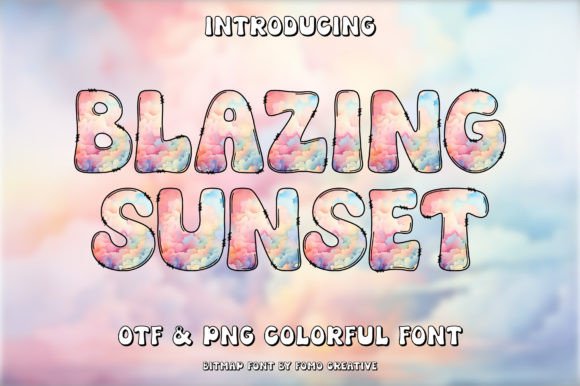
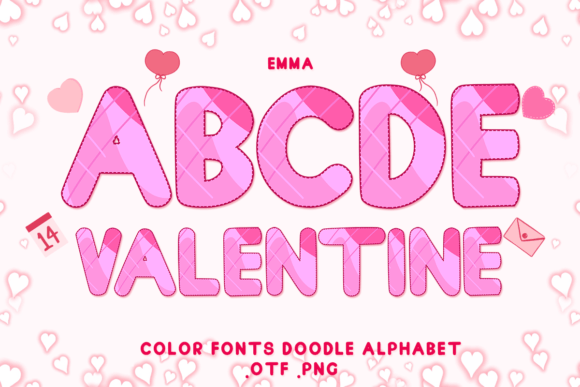
Emma is a color font, which is a crucial distinction. Unlike traditional fonts that render in a single color, Emma arrives with its own built-in palette of soft pastels. Each character is infused with gentle gradients and hues—think blush pinks, creamy lavenders, and soft mint greens. This inherent color is what gives the typeface its immediate romantic and whimsical personality. It’s not a script font you have to color yourself; it’s a ready-made display font designed to deliver a specific, enchanting visual impact straight out of the box.
Where Emma Truly Shines: Beyond the Basic Logo
While Emma could certainly form the heart of a beautiful logo design, its strengths extend far into other realms of modern typography. Think of it as a specialty tool in your design assets kit, perfect for projects where emotion and aesthetics outweigh the need for dense, informational text.
- Wedding & Event Stationery: This is Emma’s natural habitat. Use it for save-the-dates, invitation headers, menu titles, and thank-you card scripts. Its sweet letterforms instantly set a romantic, celebratory tone.
- Packaging Design: For artisanal products like candles, soaps, chocolates, or cosmetics, Emma can elevate the perceived value. It communicates care, quality, and a touch of whimsy on labels and boxes.
- Social Media & Digital Graphics: In a fast-scrolling feed, a standout display font can stop the eye. Emma is excellent for Instagram quotes, promotional graphics for sales, and Pinterest pins where visual appeal is paramount.
- Editorial Design: In magazines, blogs, or lookbooks, use Emma sparingly for pull quotes, section headers, or feature titles to introduce a soft, creative contrast to body text set in a clean sans serif font or serif font.
The key is context. Emma isn’t designed for a corporate annual report or a user manual. Its value is in its ability to inject personality and warmth into projects for small businesses, creative entrepreneurs, and personal brands that want to feel approachable and heartfelt.
Practical Guidance: Working with a Whimsical Font
Choosing a font like Emma requires a thoughtful approach. It’s not a one-size-fits-all solution, but when used correctly, it can become a cornerstone of a memorable brand identity.
Evaluating Project Fit
Before you commit, ask yourself: does the project’s core message align with Emma’s personality? It’s perfect for a florist, a wedding planner, a children’s boutique, or a poet. It might be less suitable for a tech startup, a law firm, or an automotive brand. The font’s inherent sweetness needs to match the brand’s voice.
Testing Font Pairings
This is perhaps the most critical practical step. Because Emma is a detailed, colorful display font, it demands a partner that provides balance and readability. Pair it with a simple, geometric sans serif font for body text—think fonts like Lato, Open Sans, or Montserrat. Alternatively, a clean, modern serif font like Lora or Merriweather can create a beautiful, sophisticated contrast. The rule of thumb is to let Emma be the star for headlines and let its partner handle the supporting role of readable paragraphs.
Readability and Hierarchy
Emma’s decorative nature means it’s best used at larger sizes. It excels in headlines, subheadings, and short phrases where its detailed forms can be appreciated. Avoid using it for long sentences or small body copy, as the intricate letterforms and color details can become visually cluttered and reduce legibility. Always test your designs at the intended size and on different screens or print proofs.
Reviewing Included Styles and Licensing
A quality commercial font often comes with more than one file. Check if the Emma font family includes alternate characters, ligatures, or different weight variations. These extras can give you more creative control. Crucially, understand the licensing. Is it licensed for web use, desktop use, and app embedding? Ensure the license covers all your intended applications, especially for client work or commercial products.
In the end, integrating a creative font like Emma is about making a strategic design choice. It’s not just picking a pretty face; it’s selecting a tool that communicates a specific emotion, builds a certain kind of brand perception, and connects with a target audience on a visual level. When used with intention and paired wisely, it moves beyond being a mere font and becomes a storyteller, adding that dreamy, heartfelt allure that can make a design truly unforgettable.