Why Memo Is the Hand-Drawn Color Font Your Designs Need
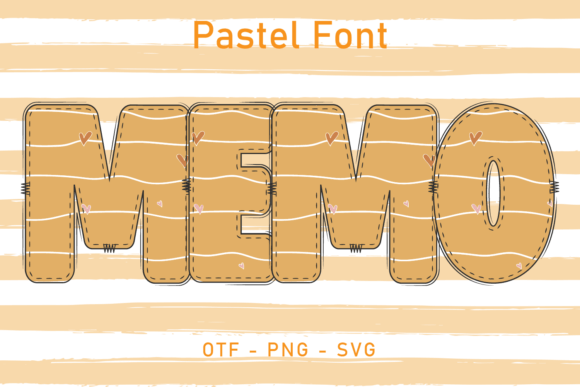
Finding a font that feels genuinely personal can be a challenge. Most digital typefaces, even the best ones, often carry a certain sterile perfection. Then you encounter a creative font like Memo, and the difference is immediate. Memo isn't just a collection of letters; it's a piece of art. This premium font is a hand-drawn typeface where every character is filled with intricate, colorful patterns. It’s designed to bring warmth, personality, and a tangible sense of craft to any project it touches. If you're a designer, entrepreneur, or creator looking to make a visual statement that feels both authentic and beautiful, understanding what Memo offers is a great place to start.
More Than Letters: The Artistic Soul of Memo
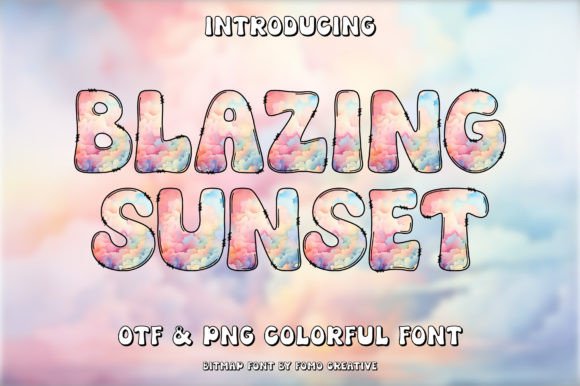
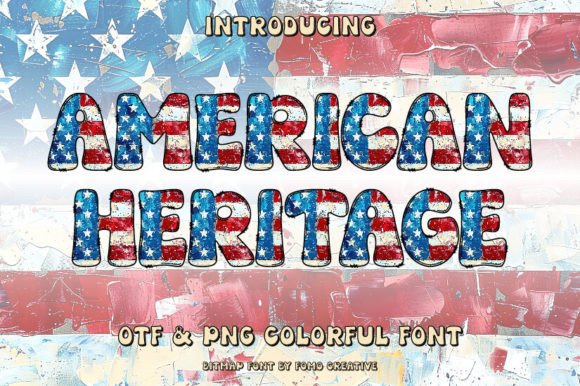
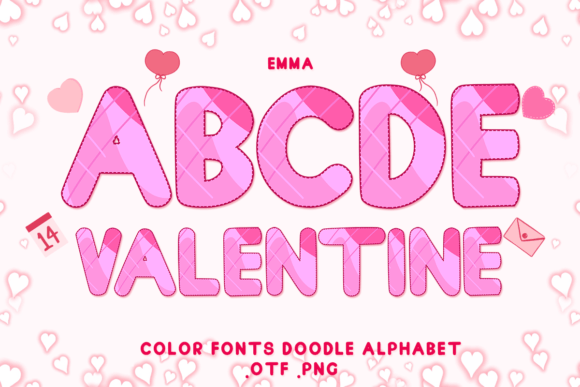
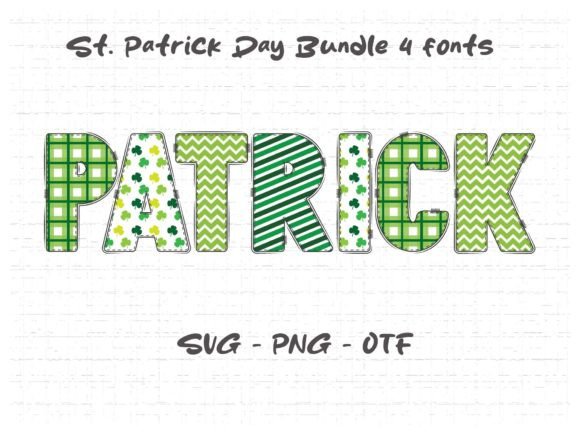
At its core, Memo is a display font, meaning it’s built for impact rather than long-form reading. Its true character lies in the details. Each letterform is drawn by hand, giving it the subtle imperfections and organic flow that you simply can't get from a standard geometric sans serif font or a classic serif font. But the standout feature is the color. Memo is a color font, a modern typography innovation where the font file itself contains color information and patterns. Instead of applying a single color in your design software, you get letters filled with pre-designed motifs—think delicate florals, geometric shapes, or abstract brushstrokes. This makes it an incredibly efficient design asset, delivering a complex, illustrated look right out of the box.
The personality of this typeface is friendly, artistic, and approachable. It doesn’t shout for attention with loud, aggressive shapes; instead, it invites the viewer in with its handcrafted charm. This makes it a versatile tool for projects that need to convey authenticity. It works beautifully as a script font alternative for headings that require more structure than a typical cursive, while still retaining that human touch. The overall appeal is its ability to instantly elevate a design from simple text to a piece of visual communication with depth and style.
Putting Memo to Work: From Brand Identity to Packaging Design
Knowing where a font like Memo shines is key to using it effectively. Its strengths are best showcased in projects where typography is a central design element, not just a functional component. For logo design, Memo can be a game-changer, especially for brands in the lifestyle, wellness, artisanal food, or boutique retail spaces. Imagine a bakery logo where the name is written in Memo’s patterned letters—it immediately communicates a sense of handmade quality and care. The same applies to a craft brewery, a yoga studio, or an independent bookshop.
In the world of editorial design and packaging design, this typeface excels at creating compelling headlines and call-outs. A magazine cover, a book title, or the front of a product box can use Memo to establish a distinct mood. It pairs surprisingly well with a clean, minimalist sans serif font for body text, creating a beautiful contrast between the artistic header and the readable content. For social media graphics, Memo is a powerhouse. It can make a quote graphic, a sale announcement, or a story post stand out in a crowded feed. Its inherent visual interest stops the scroll and communicates a brand’s creative identity in an instant.
Even for personal projects, Memo has a place. Think of custom wedding invitations, personalized stationery, or unique art prints. For small business owners, it’s a way to create a cohesive brand identity across digital and print without needing a full custom illustration for every piece of text. The font itself becomes a core part of the brand’s visual language.
Practical Guidance for Using a Creative Font Like Memo
Integrating a bold, patterned font into your workflow requires a bit of strategy. The first step is always to evaluate the project's fit. Memo is a display font, so it’s not suitable for body copy or anywhere readability at small sizes is critical. Its purpose is to create a focal point. Use it for headlines, subheadings, logos, or pull quotes where it can be appreciated at a larger size.
Next, think about font pairing. The key is balance. Because Memo is so expressive, it needs a quieter partner to ensure the design doesn’t become overwhelming. A versatile geometric or grotesque sans serif font is often a perfect match. The simplicity of the sans serif will ground the design and make the text easy to read, allowing Memo’s artistic flair to shine without competing for attention. Avoid pairing it with another highly decorative script font or a complex serif font, as this can create visual clutter.
Before committing, take time to review the font's full character set. A quality premium font like Memo will often include multiple styles, alternate characters, and perhaps even different pattern variations. Understanding these options allows you to add more variety and custom feel to your designs. Also, consider how the patterns will interact with your project's color palette. The colors are embedded in the font, so you’ll want to ensure they complement your overall design scheme. Finally, always check the commercial font licensing. For any project that will be used for business purposes—from a client’s logo to your own product packaging—you need to ensure you have the correct license to avoid legal issues down the line. Using a font correctly is just as important as choosing the right one.
Memo is more than just a typeface; it’s a design solution for anyone wanting to inject personality and artistry into their work. By understanding its strengths and applying it thoughtfully, you can create visuals that are not only beautiful but also deeply connected to your audience. It’s a testament to how modern typography can be both functional and profoundly expressive.